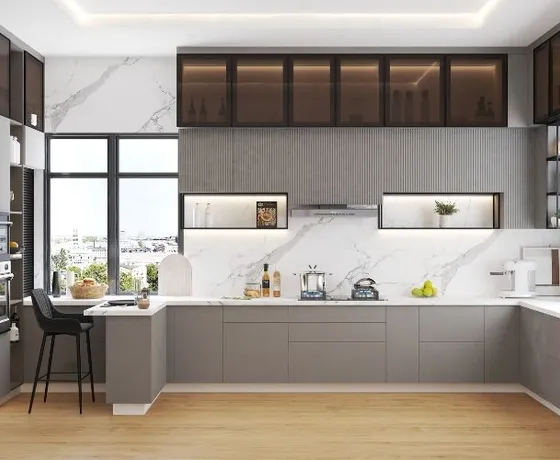







Getting your window sizing right can instantly transform a space, flooding it with natural light while keeping your home comfortable and energy-efficient. Here’s a quick room-by-room guide to help you find the sweet spot for every window in your home
Nothing transforms a gloomy room into an absolute sanctuary quite like glorious, sun-drenched natural light. If your current living space feels a bit cave-like, or you’re dreaming up a fresh floor plan, getting your window sizing right is an absolute game-changer.
Let’s dive into how to map out the ultimate room window design for every single corner of your home!
Why Window Size Matters in Home Design?
• How Window Size Impacts Natural Light
The right glass dimensions completely shift a room’s energy. Bigger panes flood your space with daylight, making even a compact layout feel instantly open, airy, and expensive.
• The Relationship Between Window Size and Ventilation
Fresh air is non-negotiable! Well-proportioned operational windows invite refreshing cross-breezes, keeping your home naturally cool and crisp without overworking your AC.
• Balancing Views, Privacy and Energy Efficiency
It is the ultimate balancing act: framing that gorgeous garden view while keeping prying eyes out and maintaining a stable indoor temperature year-round.

• Common Mistakes When Choosing Window Sizes
Don’t fall into the trap of ordering tiny portholes for a massive living area, or floor-to-ceiling glass in a bathroom where privacy is a must. Proportion is everything!
Factors that Determine the Ideal Window Size
• Room Function and Usage
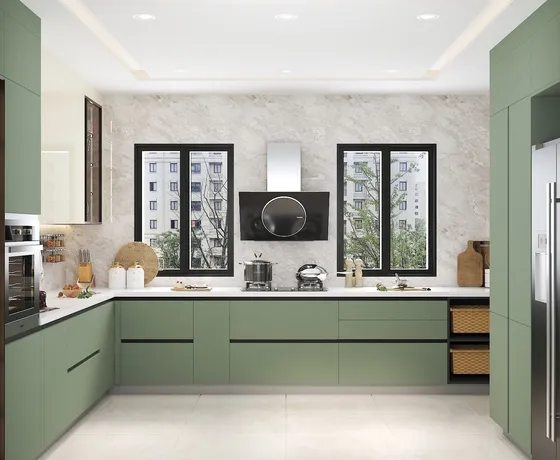
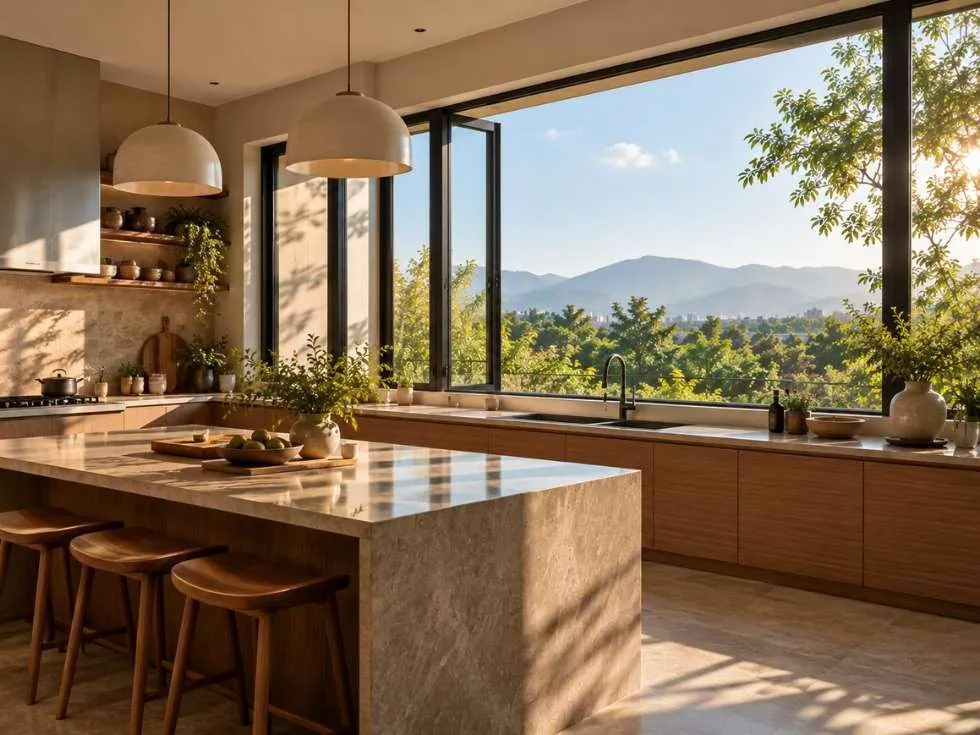
A kitchen needs bright light over counters, while a bedroom calls for controlled morning glow. Your daily habits dictate your glass footprint.
• Wall Dimensions and Ceiling Height
High ceilings crave elongated, dramatic glass features that draw the eye upward and amplify the luxury factor of your architecture.
• Home Orientation and Sunlight Exposure
- North/South Facing: Generally offer stable, gentle light throughout the day.
- East Facing: Perfect for morning rays in the kitchen.
- West Facing: Demands smart shading to handle intense afternoon heat.
• Climate and Regional Considerations
In tropical or scorching regions, massive unshaded glass can turn your home into a greenhouse. Modern energy-efficient frames are absolute lifesavers here.
• Building Codes and Safety Requirements
Always check local safety regulations—especially for bedrooms and lower levels, where egress windows are required by law for emergency exits.
Understanding Window-to-Wall Ratio
• What is Window-to-Wall Ratio?
It’s the simple math comparing the total glass surface area to the total wall surface area. Getting this ratio right ensures optimal comfort and lighting.
• Recommended Ratios for Different Spaces
Space Type | Recommended Window-to-Wall Ratio | Why it Works |
Living Room | 15% to 20% | Maximizes social brightness and scenic views. |
Bedroom | 10% to 15% | Balances cozy privacy with healthy morning light. |
Kitchen | 12% to 18% | Brightens high-task food prep counters effortlessly. |
Bathroom | 5% to 10% | Provides necessary ventilation and soft glow. |
• Balancing Daylight and Heat Gain
Too much glass without proper insulation spikes indoor temperatures. Pairing your layout with sleek upvc windows helps regulate indoor climates like a dream.
• When Larger Windows Make Sense
If your home opens up to a private backyard, a breathtaking mountain vista, or an ocean horizon, lean into expansive glass!
Living Room Window Size Guidelines

• Creating Bright and Open Living Spaces
Your living room is the heartbeat of your home. To give it that high-end resort feel, a stunning latest window design for home interiors, like a grand feature wall, sets the tone.
• Large Windows vs Multiple Smaller Windows
While a single massive picture window offers uninterrupted outdoor vistas, pairing it with smooth-gliding sliding windows gives you total control over the breeze.
• Maximising Outdoor Views
Ditching heavy frames in favor of expansive glass turns nature into a living piece of art on your walls.
• Maintaining Privacy Without Sacrificing Light
Strategically placing stylish window grill design patterns or pairing upper transom windows with heavy drapes keeps your sanctuary secure yet bright.
Bedroom Window Size Guidelines
• Balancing Comfort, Light and Privacy
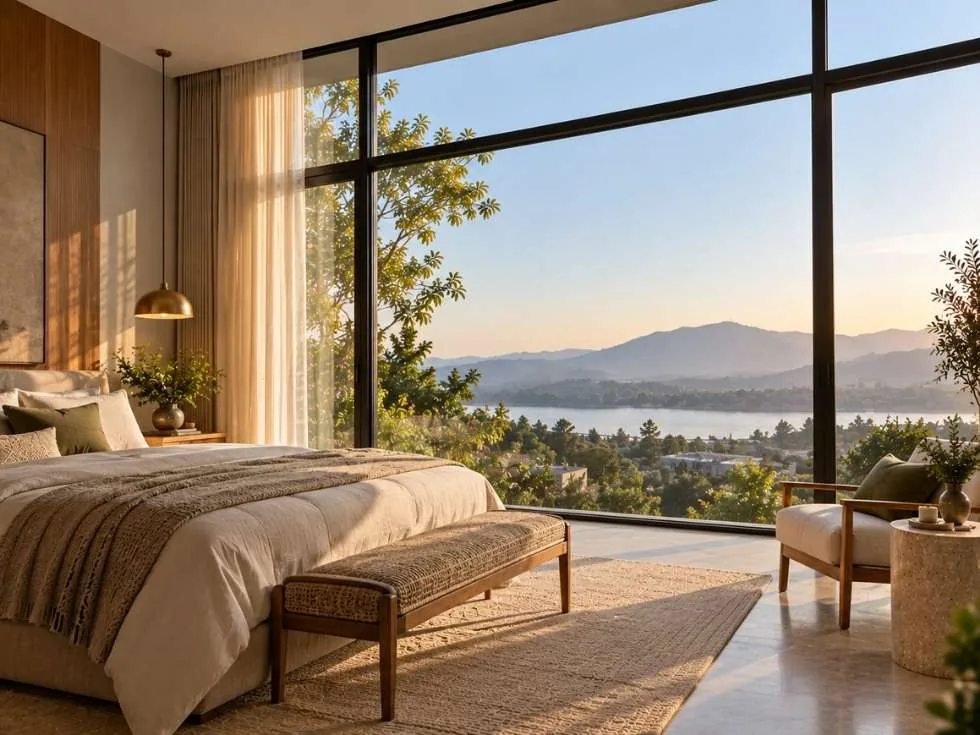
Your bedroom should whisper relaxation. You want enough morning light to wake you gently, but enough control to sleep in peacefully on weekends.
• Ideal Window Sizes for Master Bedrooms
Standard master bedrooms shine with medium-to-large horizontal casement windows or gorgeous bay windows that double as a cozy reading nook.
• Window Planning for Guest Bedrooms
Keep guest spaces adaptable with easy-to-operate panes that offer lovely ventilation and welcoming views.

• Managing Early Morning and Afternoon Sunlight
Layering thick blackout curtains with sheer inner panels lets you dictate exactly how much sun enters your private quarters.
Kitchen Window Size Guidelines
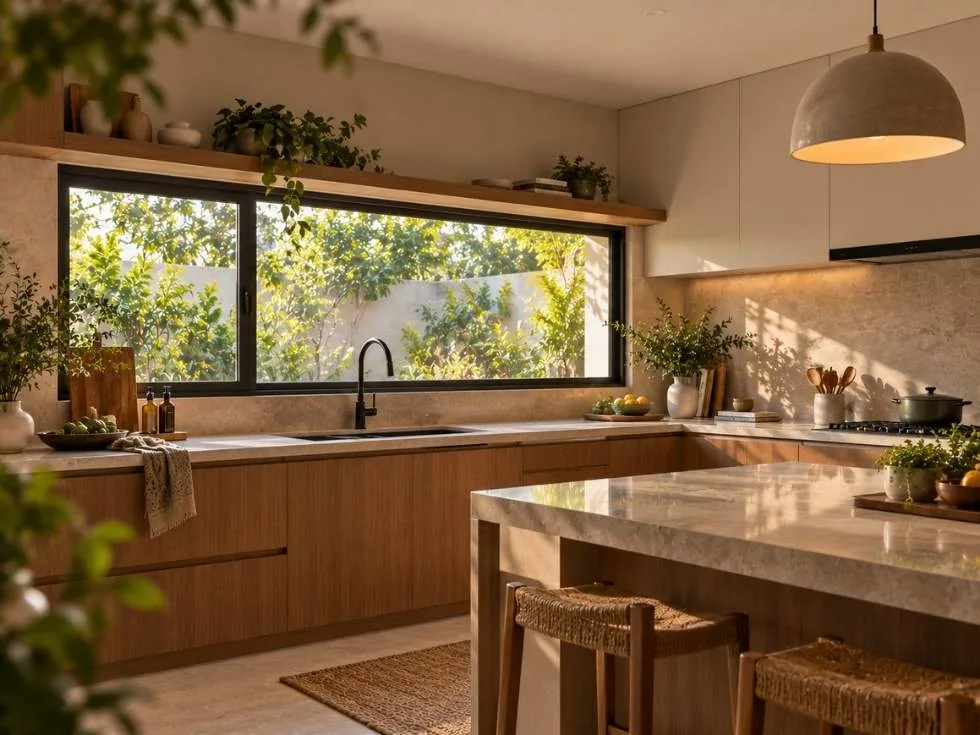
• Providing Natural Light for Food Preparation
Cooking is infinitely more enjoyable when you aren’t chopping veggies in a dark shadow.
• Window Placement Around Sinks and Counters
Positioning a sleek horizontal window right above the kitchen sink lets you daydream while washing up.
• Ventilation Considerations for Kitchens
Steam, smoke, and cooking odors need a fast escape route. Easy-to-open sliding windows above the counter make clearing the air effortless.
• Best Window Sizes for Compact Kitchens
Smaller kitchen layouts benefit from wide, shallow ribbon windows that stretch across prep spaces to maximize light without sacrificing cabinet storage.
Bathroom Window Size Guidelines
• Balancing Privacy and Natural Light
Bathrooms need fresh air and daylight, but nobody wants an audience!
• Window Sizes for Small Bathrooms
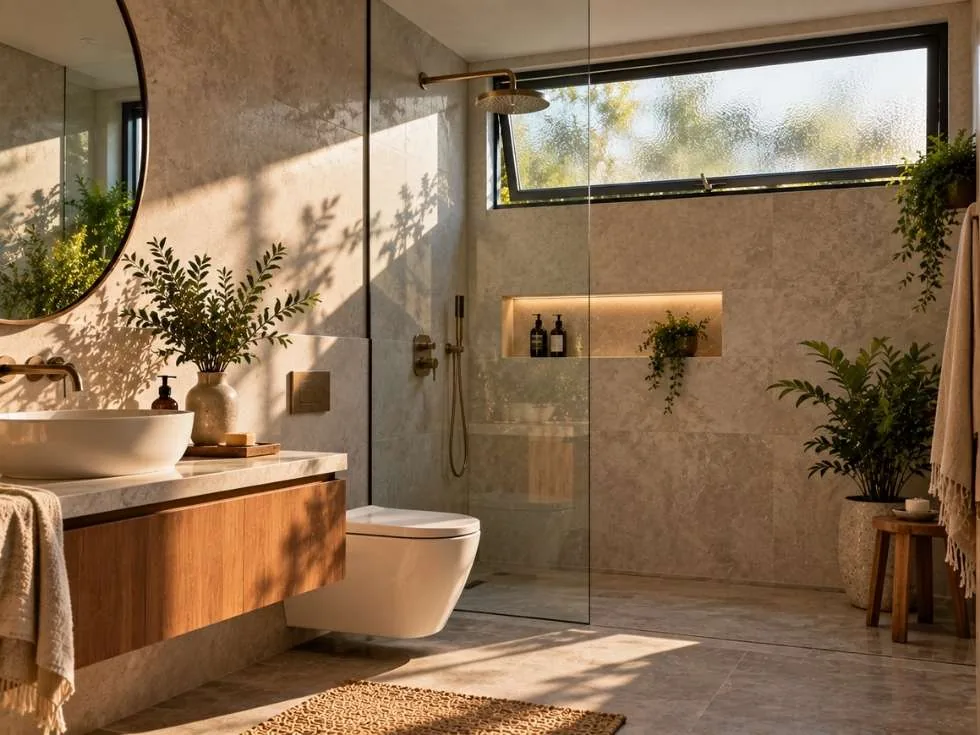
Compact hopper or awning windows placed higher up on the wall provide maximum air circulation and light while keeping privacy intact.
• Frosted and High-Level Window Options
Textured, frosted, or rain-patterned glass lets glorious sunbeams pour in while completely obscuring silhouettes.
• Improving Ventilation in Wet Areas
Good airflow prevents mold and moisture buildup. High-placement operational windows are a smart, functional win.
Home Office Window Size Guidelines
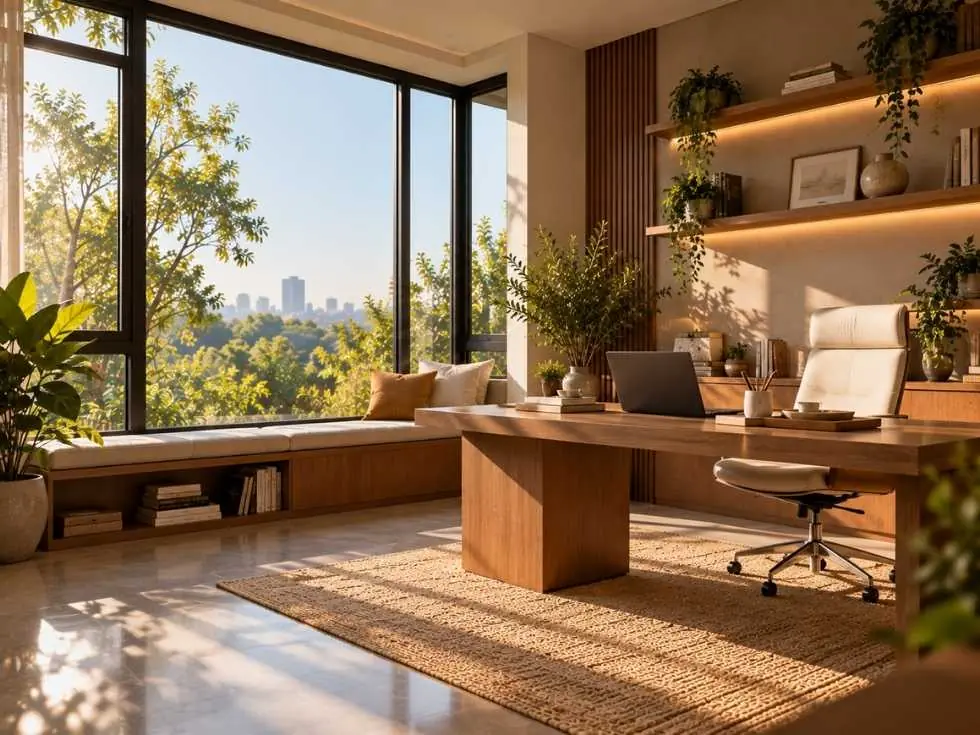
• Creating a Well-Lit Workspace
Natural light boosts productivity and keeps afternoon brain fog at bay.
• Reducing Screen Glare
Never place your computer monitor directly facing a massive window. Position your desk perpendicular to the glass for soft, glare-free illumination.
• Best Window Placement for Productivity
A window view of greenery or sky gives your eyes a healthy break during long hours of staring at spreadsheets.
• Balancing Views and Focus
While a gorgeous latest window design for home offices is inspiring, make sure it doesn’t offer too much street-level distraction if you need deep concentration!
How Window Size Affects Energy Efficiency
• Managing Solar Heat Gain
Large glass panels let in light, but they can also let in unwanted heat. High-performance double-glazed upvc windows act as an invisible thermal shield.
• Improving Natural Cooling and Ventilation
Strategic cross-ventilation placement means you can turn off the ceiling fans and let Mother Nature cool your home naturally.
• Reducing Dependence on Artificial Lighting
Maximizing your window layout means you won’t need to flick on overhead lights until well past sunset, lowering your monthly electricity bills.

• Selecting the Right Glass for Larger Windows
Low-E (low-emissivity) glass coatings are essential for bigger installations, reflecting UV rays and heat while letting the brilliant daylight stream through.
Upgrade Your Windows Today!
Ready to bring the perfect balance of light, view, and insulation to your home? Visit your nearest Beautiful Homes store to explore WeatherSeal’s premium range of uPVC and aluminum windows, engineered for maximum durability, noise reduction, and effortless style!
Frequently Asked Questions
1. How big should windows be in a living room?
Living room windows generally cover 15% to 20% of the wall space. Floor-to-ceiling glass or expansive combinations create a dramatic, open feel.
2. What is the standard window size for bedrooms?
Standard bedroom windows are usually around 3 to 4 feet wide and 4 feet high, positioned to allow plenty of morning light and safe emergency egress.
3. Can windows be too large for a room?
Yes! Over-sizing windows can cause severe heat gain, heat loss, and a complete lack of private wall space for furniture placement.
4. How does window size affect ventilation?
Larger operational windows allow greater volumes of air to pass through, significantly boosting natural cooling and cross-ventilation efficiency.
5. What is a good window-to-wall ratio?
A ratio of 15% to 20% is generally considered the sweet spot for balancing brilliant natural illumination with stable indoor thermal energy efficiency.
6. Which rooms benefit most from larger windows?
Living rooms, kitchens, and sunrooms benefit the most, as they are primary daytime social hubs that thrive on bright, open atmospheres.
7. How do I choose the right window size for my home?
Consider room function, wall dimensions, local climate, sun orientation, and privacy needs to strike the ideal balance of light and comfort.
8. Do larger windows improve natural lighting?
Absolutely! Larger glass expanses capture and distribute sunlight deeper into the core of a room, dramatically reducing dark corners.